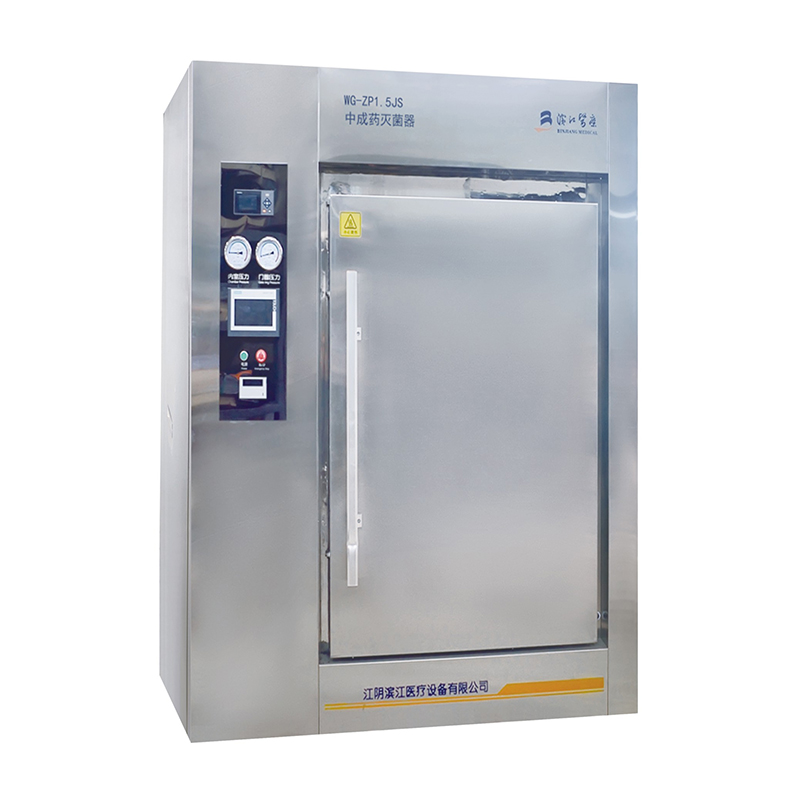
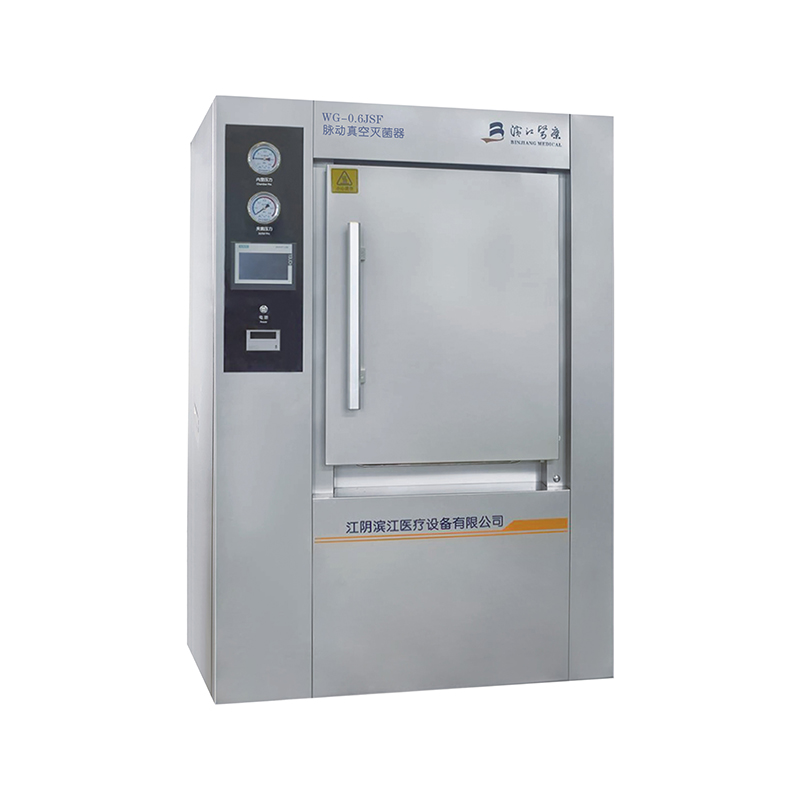
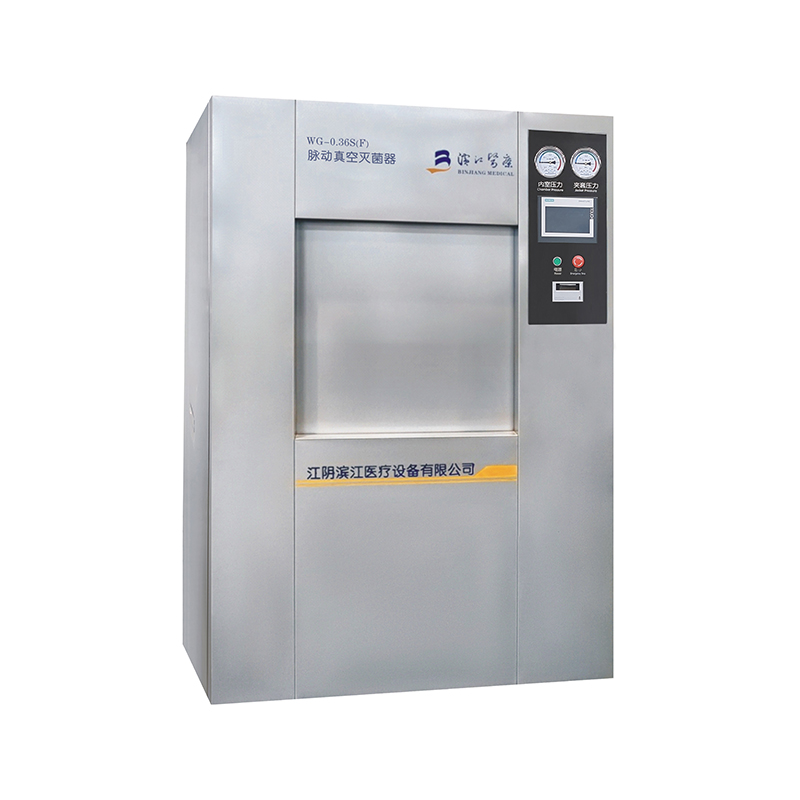
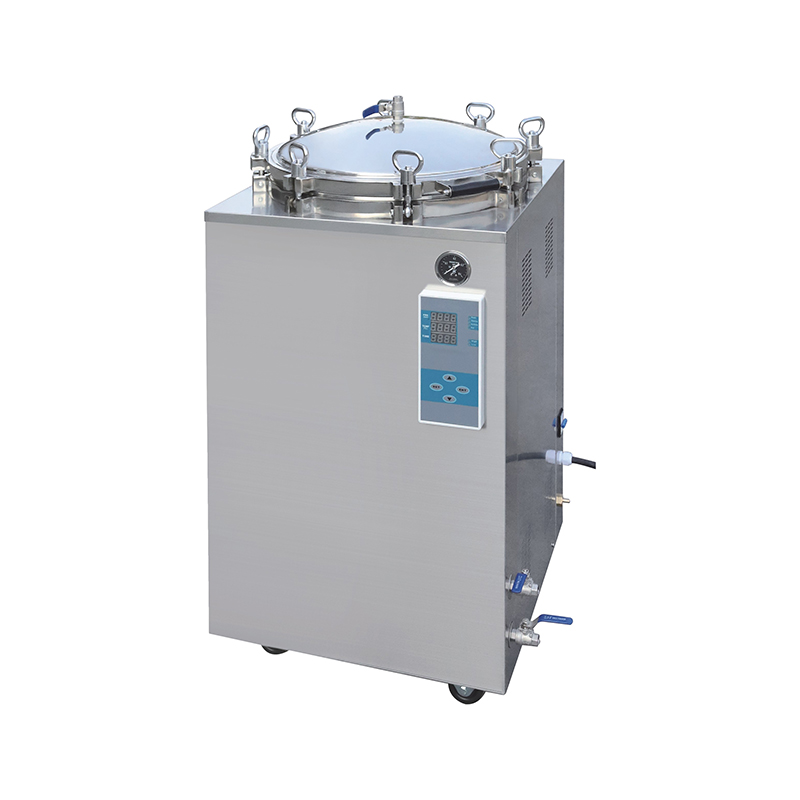
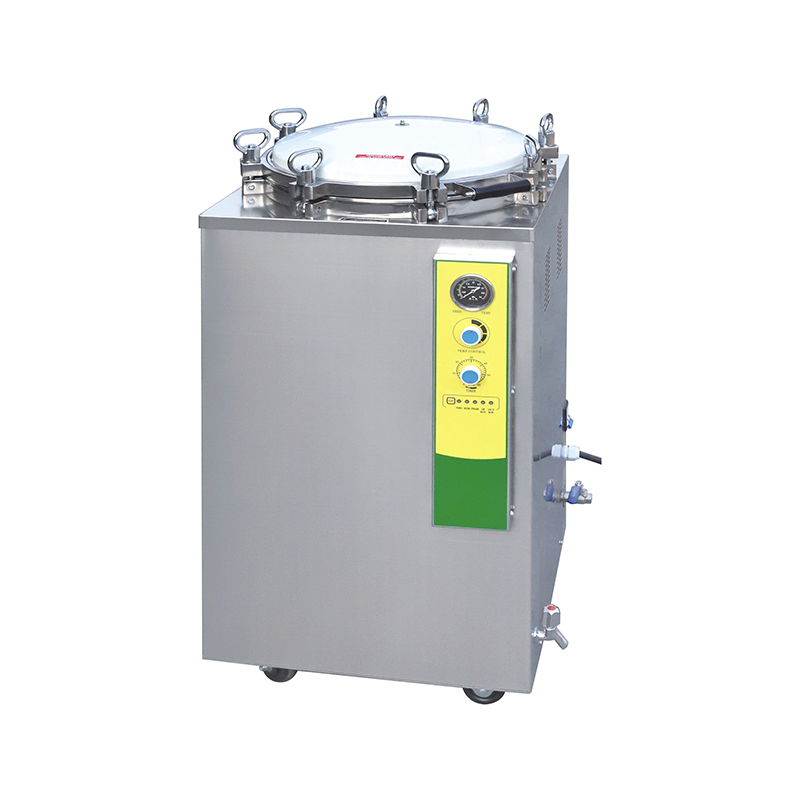
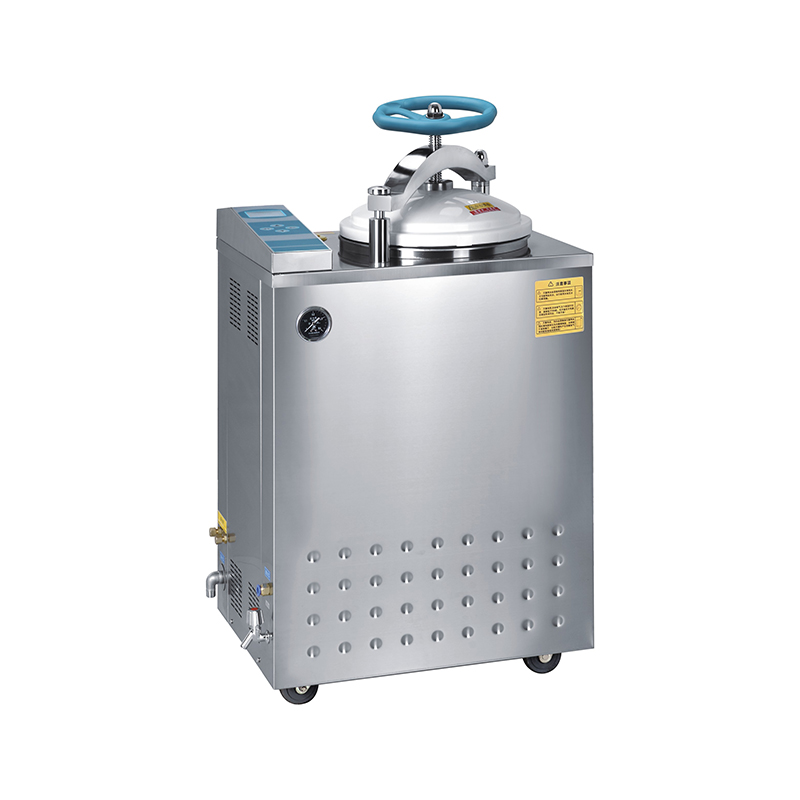
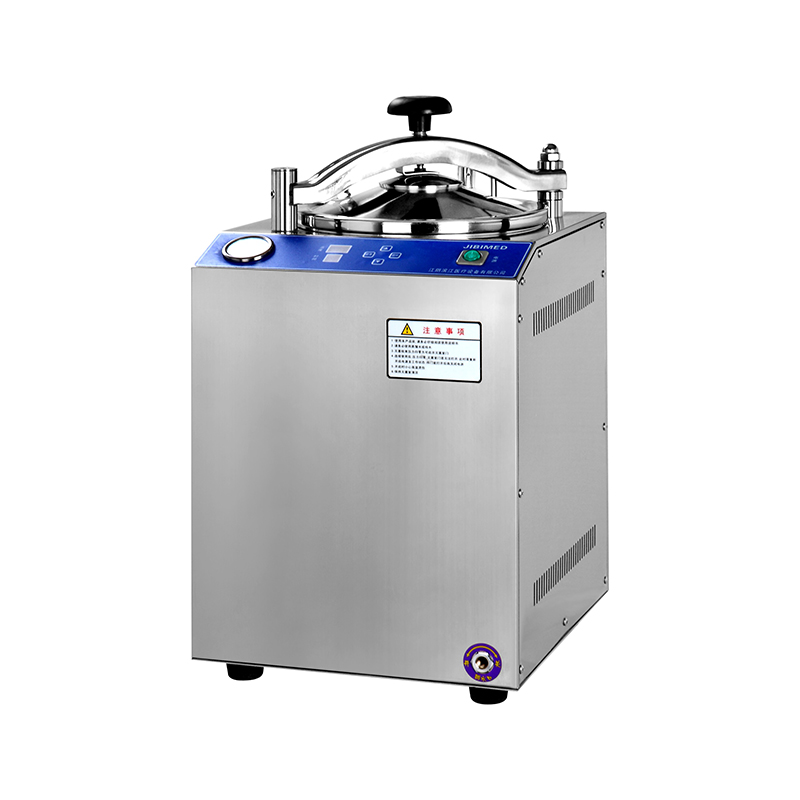
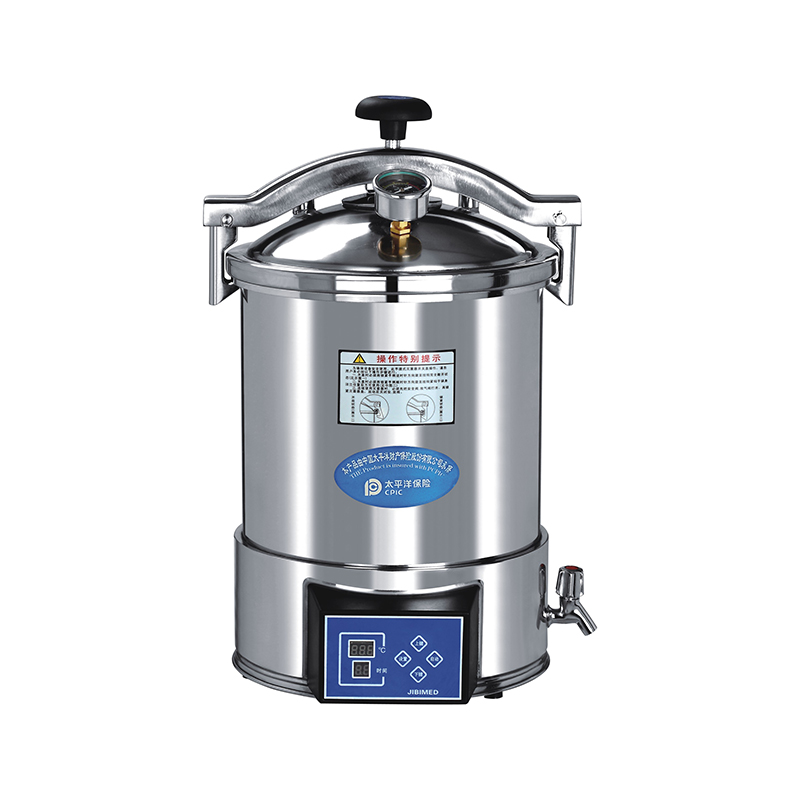
Gravity displacement is the foundational air-removal method in horizontal pressure steam sterilizers. By leveraging the density difference between steam and air, saturated steam pushes residual air out of the chamber, ensuring uniform heat transfer across instruments and packaging. This simple physics-driven approach elevates reliability by reducing air pockets, stabilizing sterilization conditions, and improving cycle reproducibility.
In gravity displacement cycles, steam introduced at the chamber’s top displaces denser air downward through the drain. The continuous purge of air prevents insulating layers that impede heat transfer. As a result, wrapped packs, lumen-free instruments, and porous loads receive consistent contact with saturated steam, accelerating temperature rise to the target setpoint and minimizing cold spots.
Reliable sterilization depends on reaching and holding the correct combination of pressure and temperature for the validated exposure time. Gravity displacement stabilizes these parameters by quickly evacuating air, which otherwise dampens pressure readings and delays temperature equilibration. Once air is purged, the chamber behaves predictably, allowing precise control over the holding phase and consistent lethality (F 0 ).
Because horizontal sterilizers can be more prone to air layering, load arrangement is critical. Proper spacing and orientation allow gravity-driven steam flow to sweep air out effectively. Use compatible packaging and avoid obstructing the drain path to preserve the displacement effect.
While pre-vacuum cycles actively remove air with mechanical pumps, gravity displacement uses passive density differences. For many instrument sets and routine hospital CSSD loads, gravity cycles offer robust reliability when properly configured. Pre-vacuum may be preferred for dense, highly wrapped, or lumened items. Understanding the trade-offs helps align cycle choice with load characteristics.
| Aspect | Gravity Displacement | Pre-Vacuum |
| Air Removal Method | Passive displacement via steam | Active vacuum pumping |
| Best For | Unwrapped, simple packs, porous loads | Wrapped, dense sets, lumened devices |
| Reliability Drivers | Correct loading, drain clearance | Vacuum integrity, leak testing |
| Cycle Complexity | Lower—simpler control scheme | Higher—pump, leak tests, pulsed vac |
In practice, gravity displacement remains a dependable choice for many horizontal chamber applications, provided loads match the cycle’s air-removal capability and the device is maintained.
Monitoring validates that gravity displacement achieved the intended sterilization conditions. Combine physical measurements with chemical and biological indicators to confirm air removal and steam penetration within the load.
Reliability hinges on chamber integrity and consistent steam quality. Routine inspection prevents air leaks and flow restrictions that undermine gravity displacement. Documented process controls sustain cycle performance across shifts and workloads.
When gravity displacement performance dips, symptoms often point to air management problems or steam quality. Targeted checks isolate root causes and restore consistent lethality.
Gravity displacement enhances sterilization reliability by removing insulating air, promoting saturated steam contact, and stabilizing cycle control. In horizontal chambers, its effectiveness depends on correct loading, unobstructed drains, sound seals, and verified steam quality. With appropriate monitoring and maintenance, gravity displacement delivers repeatable, high-confidence sterilization outcomes for a wide range of medical, laboratory, and industrial applications.
+86-510-86270699
ความเป็นส่วนตัว
ข้อมูลในเว็บไซต์นี้มีไว้สำหรับประเทศและเขตอำนาจศาลนอกเขตสาธารณรัฐประชาชนจีนเท่านั้น

ความเป็นส่วนตัว